Enterprise UX · Design Strategy

Archer IRM dashboard redesign — from data graveyard to decision engine

Transforming enterprise complexity into executive clarity: a tiered, responsive dashboard that lifted customer NPS 40% and cut time-to-insight 30%.

Principal UX Designer· Archer IRM· 1 yr 6 mo (strategic return)· React, Design Systems
The short version

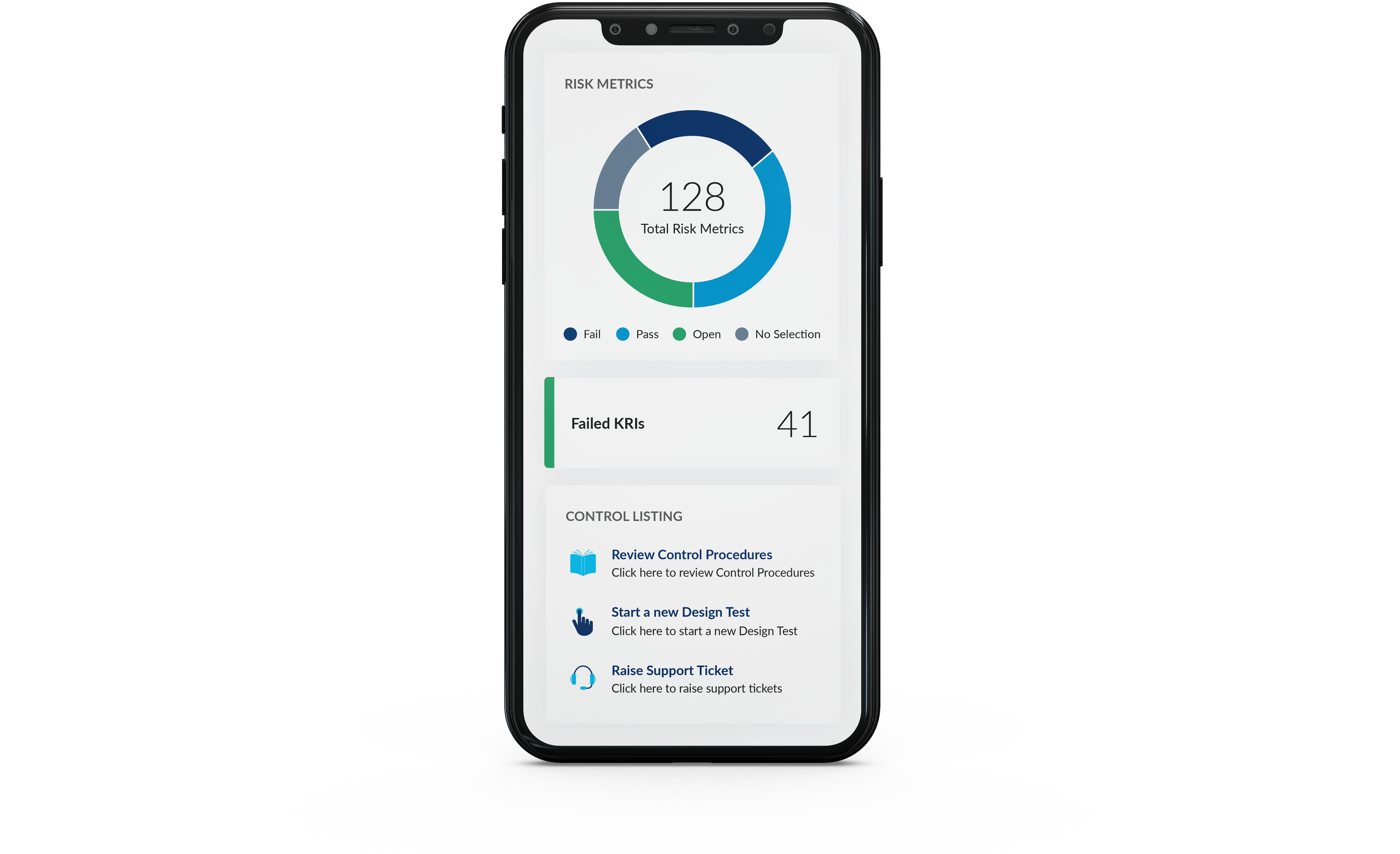
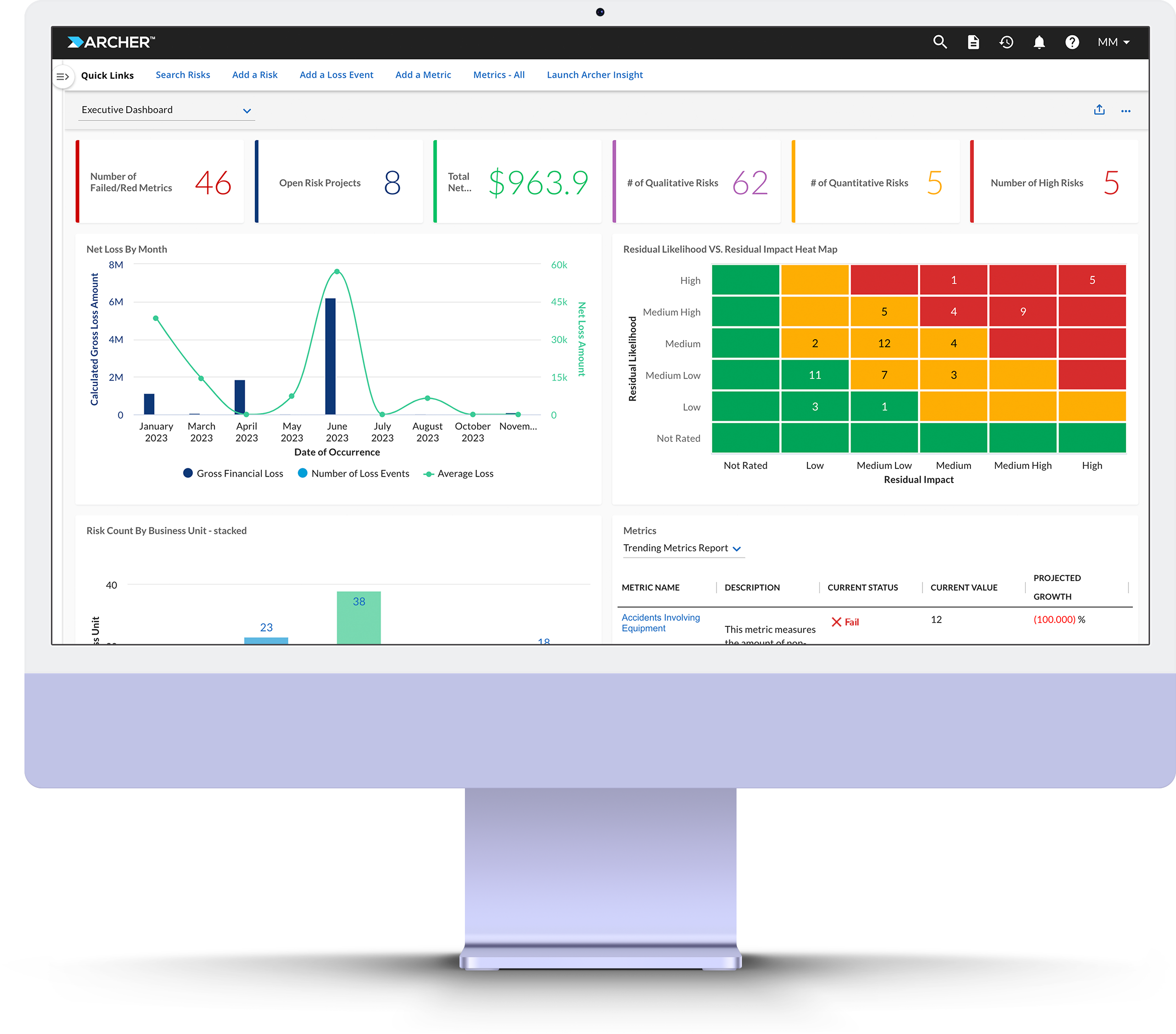
Archer IRM, a market leader in governance, risk & compliance, had a powerful but visually dense, non-responsive legacy dashboard — a "data-fatigue" crisis. As Principal Designer, I led the strategic evolution from a data graveyard to a proactive decision-making engine: a tiered information architecture built on progressive disclosure, a drag-and-drop widget system, and accessibility designed in from the start. The result — NPS up 40%, time-to-insight down 30%, and 12+ responsive modules shipped.

Outcomes at a glance

+40%
increase in customer NPS
−30%
reduction in time-to-insight
12+
responsive modules launched
−25%
engineering handoff time, via the reusable widget library

The executive summary

Archer IRM is a market leader in GRC. The product was powerful, but the legacy dashboard was visually dense and non-responsive — and it had created a "data-fatigue" crisis. Enterprise users weren't short on data; they were short on priority. My mandate as Principal Designer was to move the platform from a data graveyard to a proactive decision-making engine.

The strategic challenge

Three business goals framed the work:

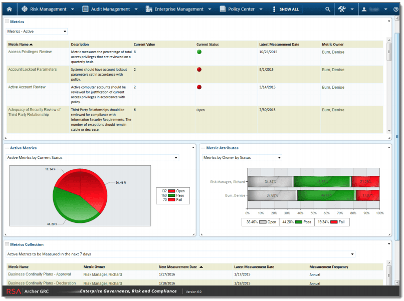
Before Legacy widget management screen
Legacy widget management.
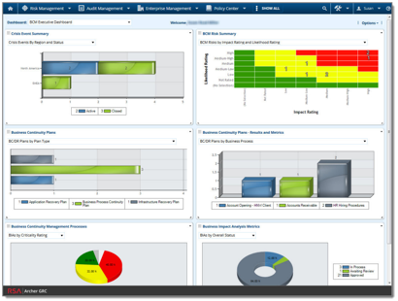
Before Cluttered legacy dashboard
The cluttered legacy dashboard.
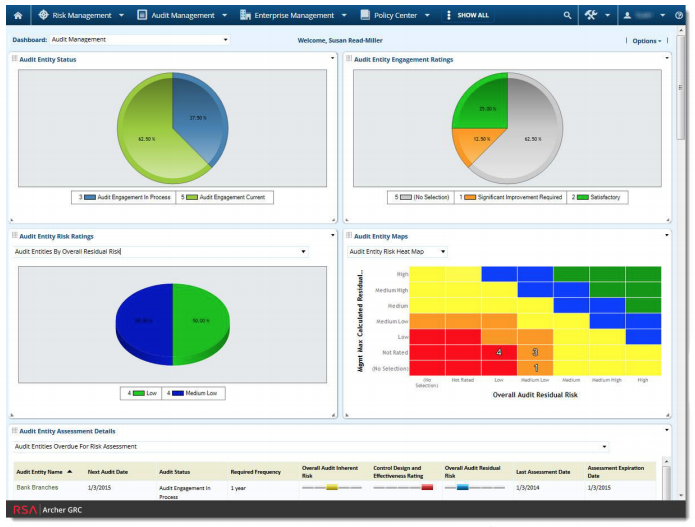
Before Accessibility limitations in the legacy audit management screen
Accessibility limitations in the legacy experience.

The solution: from grids to guidance

1

A tiered information architecture

I introduced a progressive-disclosure pattern that surfaced the signal first and let detail unfold on demand:

Level 1

The Pulse

Immediate visibility into critical KPIs and urgent risk alerts.

Level 2

The Context

Trend analysis and comparative data for historical risk tracking.

2

An intuitive, customisable interface

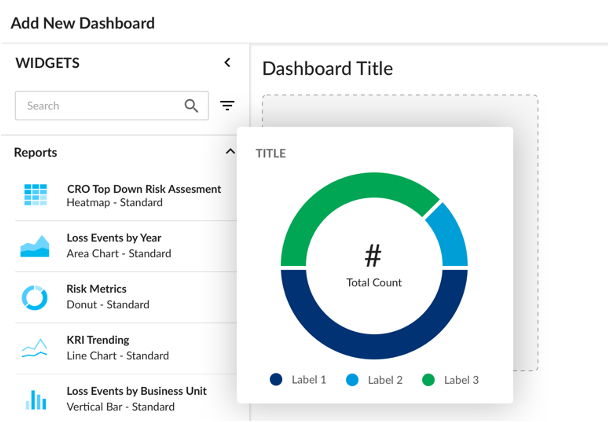
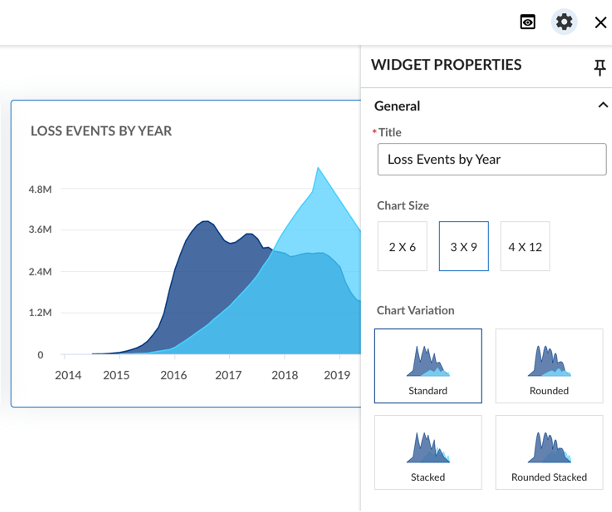
A central canvas let users drag and drop widgets to compose their own view, while contextual menus put editing and customisation a click away — simplifying a task that used to require support.

After Drag-and-drop widget canvas with contextual menus
Drag-and-drop canvas with contextual menus.
3

Real-time flexibility

Users could edit and resize widgets in real time for dynamic data visualisation, with pre-defined layout templates keeping every dashboard cohesive and visually consistent.

After Real-time editing and guided layout options
Real-time editing and guided layout templates.
4

Accessibility, built in

Accessibility wasn't a retrofit. Full keyboard navigation, screen-reader compatibility, and high-contrast themes ensured every risk officer — including those with visual impairments — could read and act on the data.

After Accessibility improvements including high contrast and keyboard navigation
High-contrast themes and keyboard-first navigation.
After Redesigned top risks view
The redesigned top-risks view — signal first.

Leadership & management

At Principal level, the impact wasn't only in the pixels — it was in the process.

5

Design ops & scaling

I built a reusable widget library that gave the platform one consistent design language and cut engineering handoff time by 25% — turning bespoke builds into composable, well-documented components.

6

Stakeholder alignment

I facilitated workshops with Product and Engineering to balance technical debt against user value — keeping the roadmap honest about trade-offs and getting everyone behind the same priorities.

Outcomes

What I learned

This project was a lesson in Customer Lifetime Value. By reducing the friction to value, we lowered the switching cost for our clients and directly protected Archer's market share in the GRC space.

UX is not just a visual layer — it's a retention strategy. The clarity we designed into the dashboard wasn't a cosmetic win; it was the reason customers had a reason to stay.

Say hello

Feel free to reach out for collaborations — or just to meet up for a coffee.

me@abin.me