Leadership Case Study
How I built a 10+ person design team from the ground up, set up an operating model that earned Product & Engineering's trust, and turned design into a measurable business win.
I built Archer's India UX team from 2 to a 10+ person group, then led the dashboard modernization that raised customer NPS by 40%. This is about how the hiring, the operating model, and the design culture that made the outcome repeatable, not lucky.
Archer is an enterprise governance, risk, and compliance (GRC) platform. The product is powerful but dense: complex risk data, dense tables, expert users. When I stepped into the management role, design at the India site was just two designers working in silos no shared design system, and the function sat inside the Product Management group rather than operating as a discipline in its own right.
The mandate was twofold: build a team that could own design end-to-end, and prove design's impact on a metric leadership cared about customer satisfaction.
Three problems had to be solved at once:
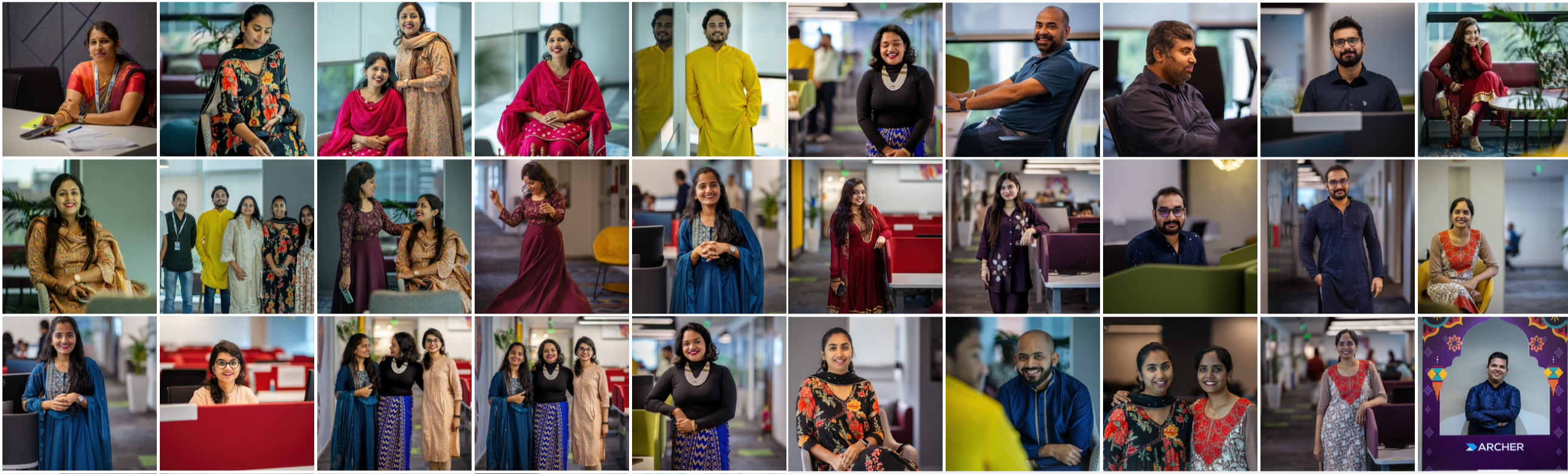
I owned hiring end-to-end: defined the roles and leveling, ran 50+ interview loops, and grew the team from two to 10+ designers in three months. I hired across research, visual, and interaction design rather than cloning one profile, and built an onboarding path so a new designer could ship meaningfully within two weeks.
One proof point I'm proud of: I brought Rohan on as a junior designer. He scaled up fast, showed extraordinary talent, and grew into the team's accessibility lead now the go-to expert the whole team relies on for inclusive design.
I established the rituals that turned a group of designers into a team: weekly critique, design reviews with clear quality criteria, and a shared definition of "done." This reduced rework and noticeably shortened design-to-dev handoff, so engineering spent less time clarifying specs and more time building.
I partnered directly with Product and Engineering leadership to move design upstream into roadmap and discovery, not just delivery. The dashboard modernization was the proof: design was pulled in from the very beginning, shaping the problem definition rather than decorating a finished spec and the results spoke for themselves.
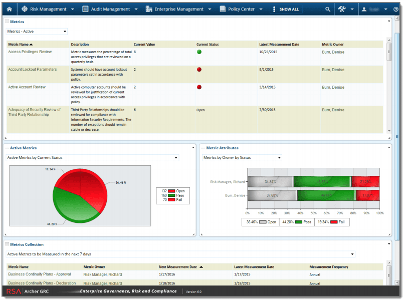
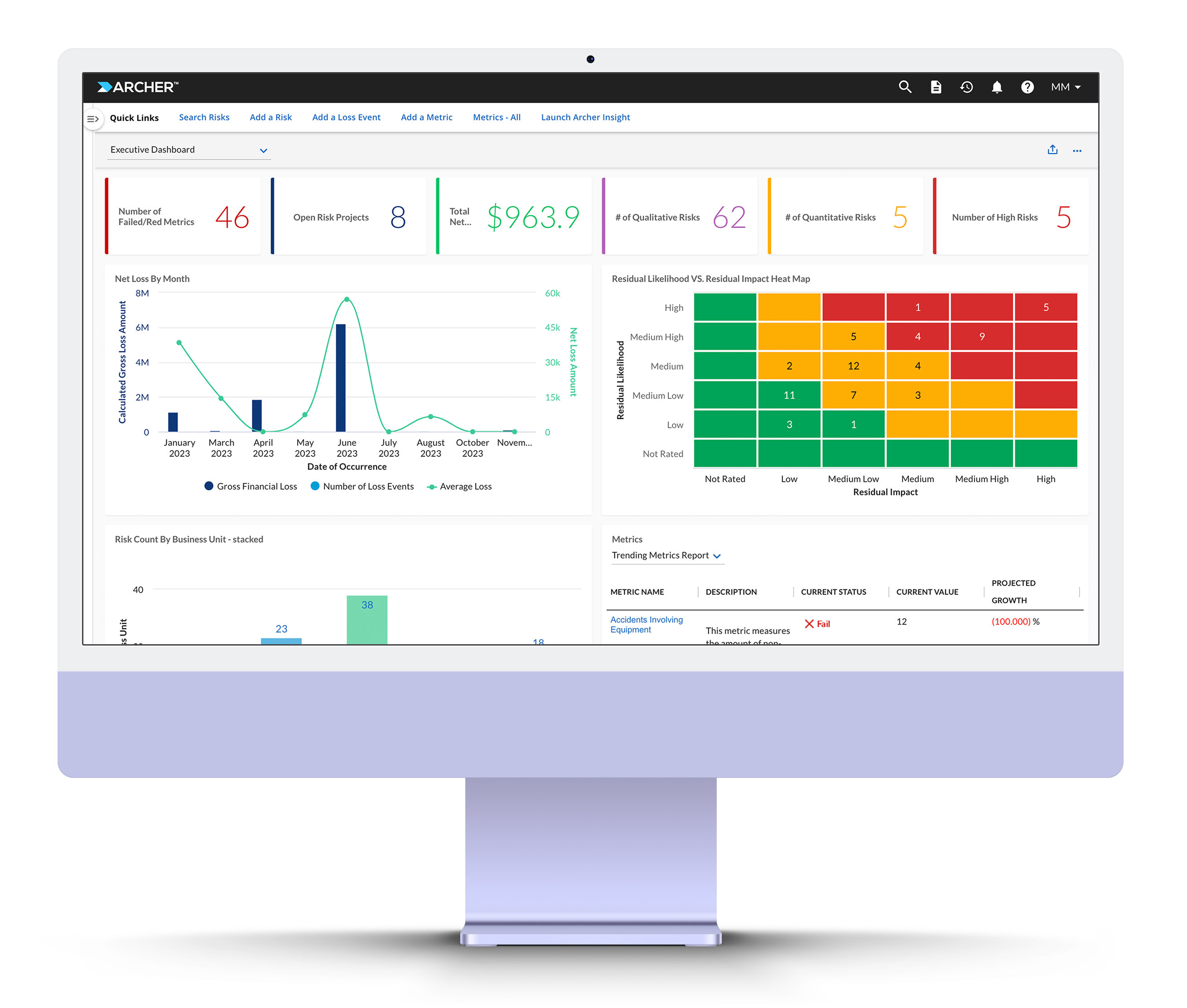
With the team and operating model in place, we redesigned Archer's dashboard modules: responsive layouts, a cleaner visual hierarchy, and smarter interactions that made dense risk data scannable and actionable. I set the design direction and ran the research that defined the problem.
Before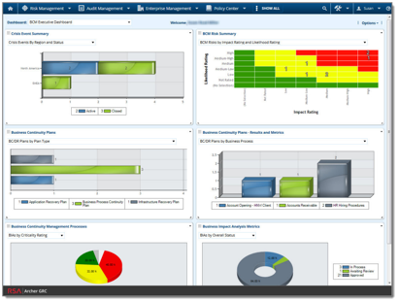
Hire for taste, judgment, and attitude not pedigree. We didn't chase design-school names or big-brand résumés. We looked for people with genuine design taste, sound judgment, and a great attitude, and gave them room to grow. Rohan is the proof: a junior hire who became our accessibility lead. The right people in the right place make the difference.
Trust is earned through outcomes, then it compounds. The dashboard modernization is what won Product and Engineering's trust. Once we delivered, design stopped being a downstream service we were brought in at the beginning of every product, where we could actually shape what got built.
Anchor decisions in data. We moved from defending design with opinion to validating it with evidence letting research and metrics settle debates and keep the team honest about what was working.
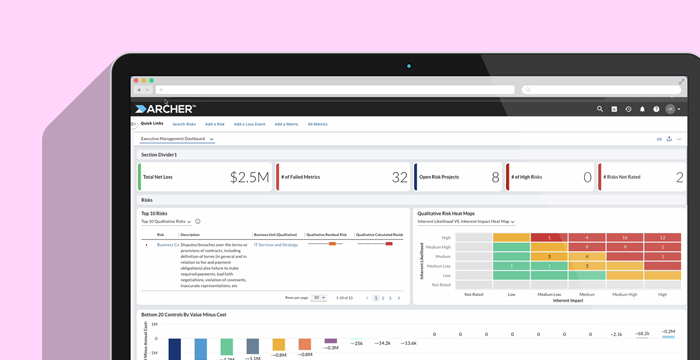
Archer's dashboard redesigned with responsive layouts, cleaner UI, and smarter interactions, simplifying complex risk data.
Read the Case study
A mobile app that studies movie-lovers their likes and dislikes and recommends the films they're very likely to love, free of fake and paid reviews.
Read the case study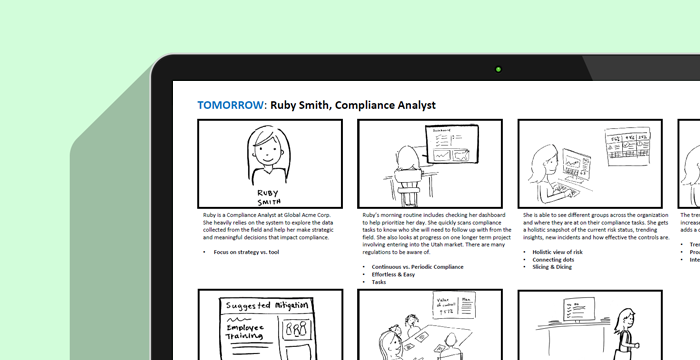
Deep stakeholder, expert, and customer research that produced five behavioural personas and a Today-vs-Tomorrow vision to align the business.
Read the case study